 hello@betadigitalmarketing.com
 +91 9513999901
- Written by: admin
- March 9, 2026
Introduction
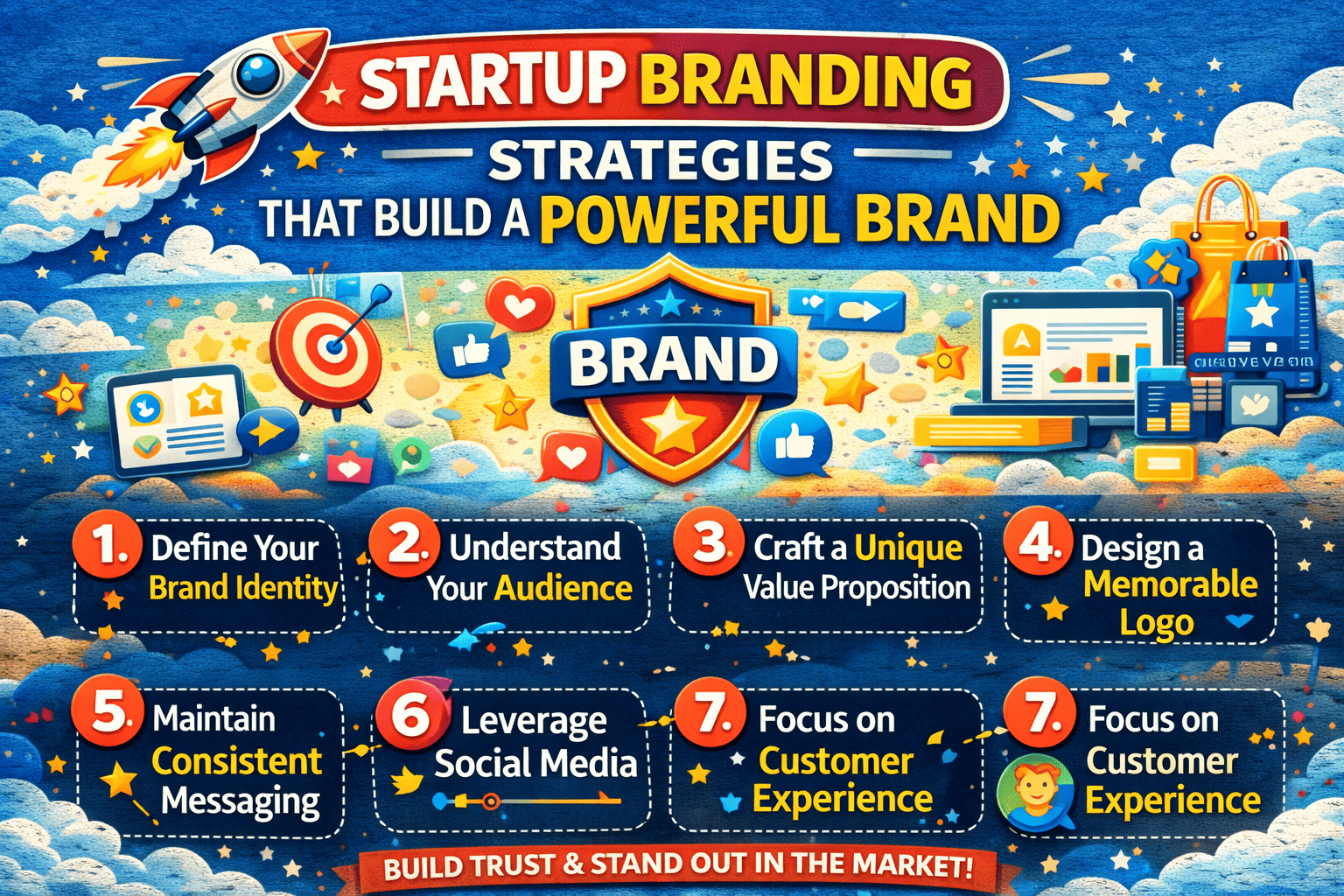
Startup Branding Strategies A strong brand is one of the most valuable assets for any startup. It communicates your company’s values, mission, and personality to customers while differentiating you from competitors. Many startups focus solely on products or services and neglect branding, which can limit growth and recognition.
Startup branding strategies help new businesses establish a consistent identity, foster trust, and create a loyal customer base. With the right approach, startups can build a brand that resonates with their target audience and scales with their business.
In this guide, we’ll explore startup branding strategies that build a powerful brand, including visual identity, messaging, content, social media, and customer engagement strategies.
1. Define Your Brand Purpose and Mission
Every strong brand starts with a clear purpose. Your mission statement communicates why your startup exists and the value you provide.
Steps to define your brand purpose:
Identify your startup’s core values
Determine the problem your product or service solves
Define the long-term impact your brand aims to achieve
Keep the mission simple, clear, and memorable
Example: Patagonia’s mission is “We’re in business to save our home planet.” A startup with a clear purpose creates emotional connections with customers and guides all branding decisions.
2. Know Your Target Audience
Understanding your audience is essential for building a brand that resonates. Your branding should reflect your audience’s preferences, values, and lifestyle.
Audience research strategies:
Create buyer personas based on demographics, interests, and challenges
Analyze competitors’ audiences and identify gaps
Conduct surveys and interviews to understand needs
Example: A SaaS startup targeting small business owners should design branding that emphasizes productivity, reliability, and efficiency, matching their audience’s values.
3. Develop a Strong Brand Identity
Your brand identity is how your startup looks, feels, and communicates visually. A cohesive identity helps your brand stand out and builds recognition.
Key components of brand identity:
Logo: A memorable, versatile design
Color Palette: Consistent colors that evoke the right emotions
Typography: Fonts that reflect your brand personality
Visual Style: Photography, graphics, and illustrations that align with your messaging
Tone of Voice: How your brand communicates in writing
Example: Apple’s minimalist visual style communicates innovation and sophistication. A startup should develop a consistent visual identity to make a lasting impression.
4. Craft a Compelling Brand Story
Storytelling is a powerful way to humanize your startup and connect emotionally with customers.
Tips for effective brand storytelling:
Highlight your startup journey, struggles, and successes
Focus on your mission and the impact you aim to create
Use relatable characters or real customer experiences
Incorporate storytelling across website, social media, and campaigns
Example: Airbnb shares stories of hosts and travelers to show the human side of travel, building trust and engagement.
5. Establish Brand Messaging and Positioning
Clear messaging communicates what your brand stands for and why customers should choose you.
Brand messaging strategies:
Define your unique value proposition (UVP)
Craft key messages for different audience segments
Ensure consistency across all channels
Reinforce messaging with visuals and tone
Example: Slack’s messaging focuses on simplifying team communication: “Where work happens.” It’s concise, memorable, and consistent.
6. Create Consistent Branding Across All Channels
Consistency builds trust and strengthens recognition. Every touchpoint with customers should reflect your brand identity and messaging.
Tips for consistent branding:
Use brand guidelines for colors, fonts, and logos
Apply consistent tone and voice across emails, social media, and website
Ensure design consistency for ads, presentations, and product packaging
Monitor third-party mentions for brand accuracy
Example: A D2C startup ensures Instagram posts, website design, and email newsletters all reflect the same visual style and tone.
7. Leverage Social Media for Brand Awareness
Social media is essential for startup branding, offering opportunities to engage and build a community around your brand.
Social media branding strategies:
Share authentic, behind-the-scenes content
Showcase user-generated content (UGC)
Highlight customer testimonials and success stories
Use platform-specific formats (Reels, TikTok, LinkedIn posts)
Example: A food delivery startup posts short recipe videos and customer reviews on Instagram, creating engagement and building brand loyalty.
8. Use Content Marketing to Reinforce Branding
Content marketing helps startups communicate expertise, educate the audience, and strengthen brand perception.
Content strategies for branding:
Blog posts addressing customer pain points
E-books and guides showcasing thought leadership
Videos and tutorials demonstrating your products
Infographics and shareable social media content
Example: A fintech startup publishes a blog series on “Smart Budgeting for Small Businesses,” positioning itself as a trusted financial advisor while reinforcing the brand.
9. Partner With Influencers and Brand Advocates
Collaborations amplify brand reach and credibility. Influencer marketing allows startups to tap into engaged communities.
Strategies:
Micro-influencers for niche, targeted audiences
Brand ambassadors who consistently promote your startup
Co-created content that feels authentic and valuable
Example: A fitness startup partners with micro-influencers to showcase their workout app, generating social proof and increasing downloads.
10. Build Customer Trust and Loyalty
A strong brand is built on trust. Loyal customers not only make repeat purchases but also act as advocates.
Ways to build trust:
Transparent communication and honest marketing
Excellent customer service and support
Encouraging and showcasing reviews and testimonials
Reward loyalty with programs or exclusive offers
Example: A skincare startup highlights user reviews and before-and-after transformations, building credibility and trust with potential customers.
11. Monitor and Protect Your Brand Reputation
A startup’s reputation can make or break its growth. Actively monitor your brand and respond to feedback.
Brand monitoring strategies:
Track mentions on social media and review sites
Respond to both positive and negative feedback
Use tools like Google Alerts, Mention, or Brand24
Ensure consistent messaging across all platforms
Example: A SaaS startup addresses negative feedback promptly on social media, turning potential complaints into opportunities for customer satisfaction and brand building.
12. Experiment and Innovate
Startup branding should be flexible to adapt as your company grows and markets change.
Tips for experimenting with branding:
Test different content formats, messaging, or visuals
Conduct A/B tests for campaigns and ads
Collect feedback from customers and adjust accordingly
Analyze metrics like engagement, brand mentions, and conversion
Example: A tech startup experiments with interactive social media posts and polls, finding the most effective formats to increase engagement and brand awareness.
13. Align Branding With Business Growth Goals
Branding should support the startup’s overall business objectives, from lead generation to sales and market expansion.
Alignment strategies:
Integrate branding in marketing campaigns and sales materials
Use branding to reinforce your value proposition in every customer touchpoint
Ensure product, customer service, and marketing all reflect brand values
Example: A subscription box startup aligns branding messaging with its sustainability mission, attracting eco-conscious customers and driving growth.
14. Invest in Long-Term Brand Building
While performance marketing focuses on short-term growth, branding ensures long-term value.
Long-term branding strategies:
Maintain consistent messaging and visuals across years
Continuously engage with your community
Innovate without losing brand essence
Build partnerships that reinforce credibility
Example: Tesla has maintained a strong, consistent brand focused on innovation and sustainability, which helps sustain its market presence over the years.
15. Measure Branding Impact
It’s important to track the effectiveness of your branding efforts.
Metrics to monitor:
Brand awareness: social mentions, search volume, website traffic
Engagement: likes, shares, comments, and followers
Customer loyalty: repeat purchases, retention rates
Conversion from branded content: leads generated, sales attributed
Example: A startup tracks social engagement, referral traffic, and lead conversions to evaluate how their branding campaigns impact growth.
Conclusion
Building a powerful brand is critical for startups to differentiate themselves, attract customers, and scale effectively. Startup branding strategies such as defining your mission, creating a strong visual identity, leveraging content and social media, collaborating with influencers, and focusing on customer trust create a foundation for long-term growth.
At Beta Digital Marketing, we help startups implement branding strategies that resonate with audiences, strengthen credibility, and support sustainable business growth. Start implementing these strategies today to create a memorable, trusted brand that fuels your startup’s success.